The record
The shark bite capital of the world
It is a real title, earned by a real statistic — and it describes crowding far more than it describes danger.
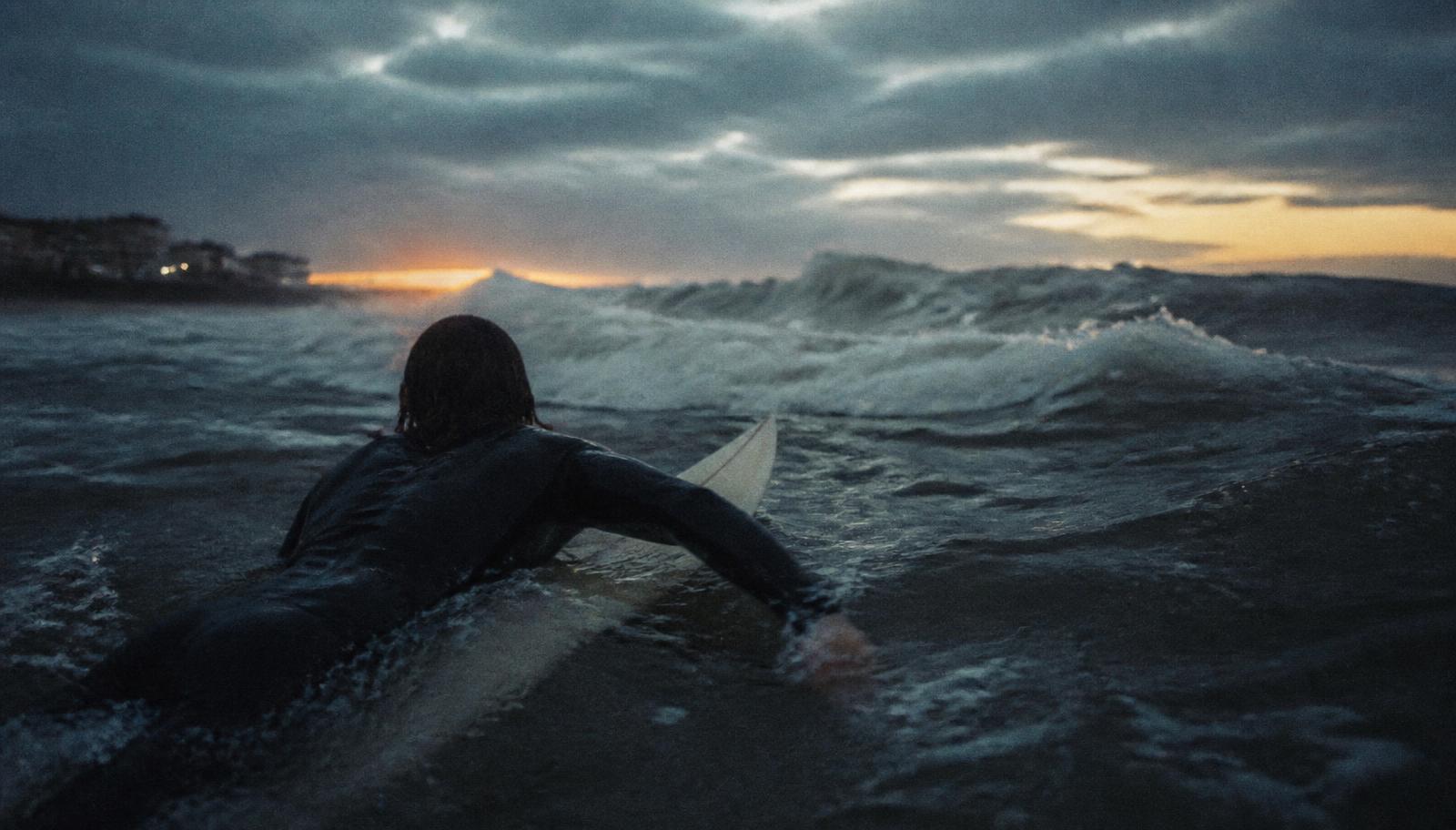
Volusia County, Florida, has recorded more unprovoked shark bites than any comparable stretch of coast on earth, and the majority of them happen inside a two-mile arc of surf just south of Ponce de Leon Inlet, at New Smyrna Beach. In most years the county logs somewhere between six and seventeen bites. In no year on record has one been fatal here.
One point of precision, because it is almost always lost in the retelling: the record that earns New Smyrna Beach the title is kept at the county level. Volusia County Beach Safety and the International Shark Attack File count bites for the whole county — New Smyrna Beach, Ponce Inlet, Daytona Beach Shores, Daytona Beach and Ormond Beach together. New Smyrna Beach accounts for most of that total in most years, but a county figure is not a town figure, and this site keeps the two apart everywhere it reports a number.
The inlet does most of the work
Ponce Inlet is the drain for the Indian River lagoon system. Tidal flow pushes an enormous volume of bait — mullet, menhaden, glass minnows — through a narrow gap and along the beach. Blacktip and spinner sharks, both small, fast, coastal species, follow that bait line year-round and stack up heavily during the fall run.
The water is opaque
Tannic river outflow and constantly churned sand cut visibility to inches. A shark hunting by movement and flash cannot distinguish a hand paddling in the whitewater from a wounded baitfish. It commits, realises immediately, and releases. That is why almost every bite here is a single strike to a hand, forearm, foot or calf, and why almost nobody is bitten twice.
And the beach is packed
New Smyrna is one of the most consistent surf breaks in Florida, open to vehicles, warm year-round, and an hour from Orlando. Millions of people enter this water annually. Divide ten bites by that number and the rate is vanishingly small — but the raw count is unmatched, and raw counts are what make headlines.
What the title actually means
"Shark bite capital of the world" is a measure of overlap between people and small sharks in murky water. It is not a measure of risk of death, which remains lower here than the risk of drowning, heatstroke, or the drive down A1A. Locals surf through it every week of the year, and the injury most of them fear is a shoulder, not a shark.